

Inpatient Addiction Treatment in Marshall, MO

Residential care for substance use disorders with dual diagnosis support for co-occurring conditions.

Residential Care That Helps You Rebuild

Inpatient treatment gives you space away from daily triggers so you can focus on addiction recovery with consistent support. Treatment days at our Missouri drug and alcohol rehab are structured with therapy, groups, and routines that rebuild stability, along with peer connection and guidance from a licensed team. If you need to start with medical detox, we’ll help you begin safely and transition smoothly into residential care.

What Inpatient Treatment Supports

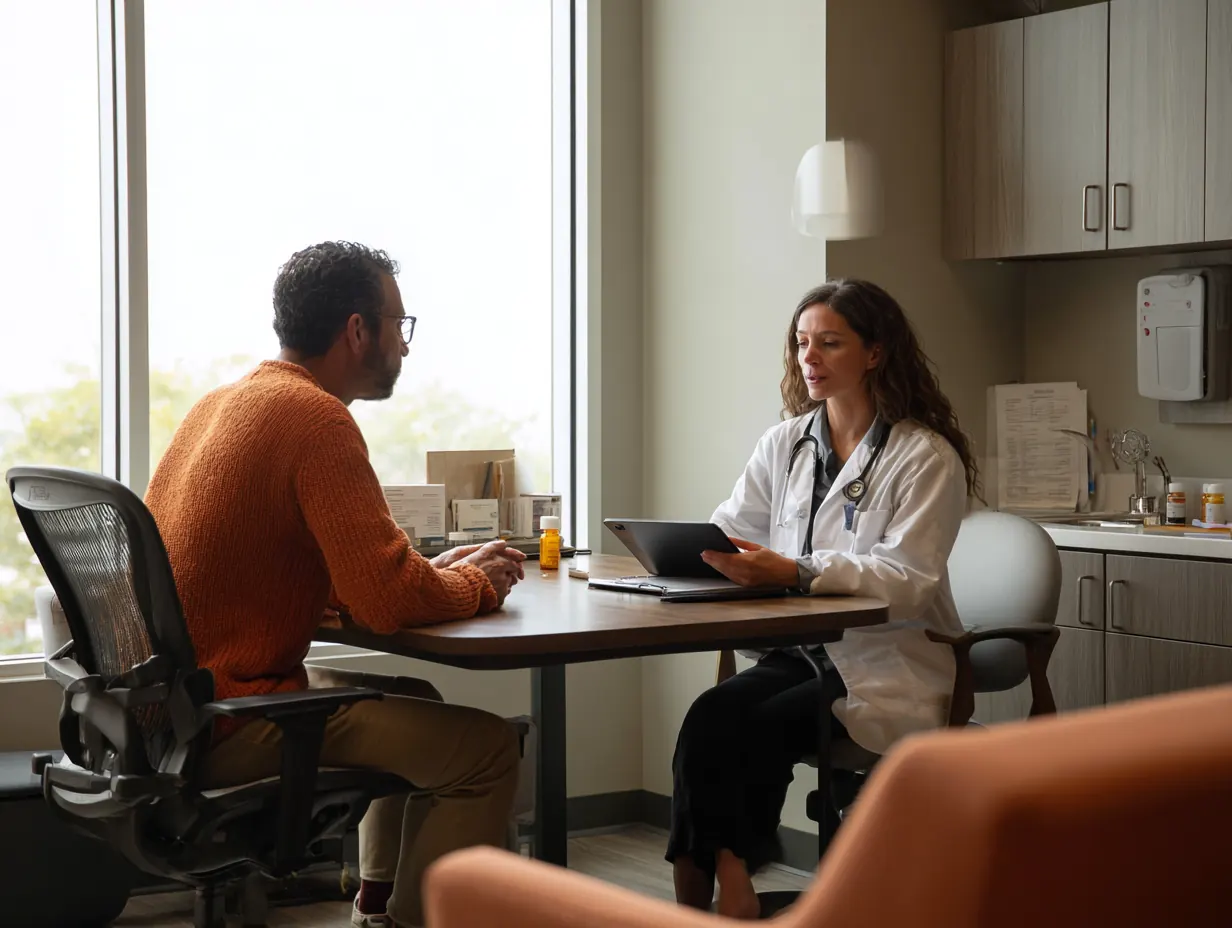
Inpatient care is designed for people who need a structured environment to step away from substance use and rebuild stability. It combines evidence-based therapy, peer support, and daily routines that make progress feel possible.
As you build strength, many people step down into PHP or IOP to keep momentum while returning to more independence.

What You’ll Work On in Residential Care

Inpatient treatment is where recovery starts to feel real, not just hopeful. You’ll have time, structure, and support to address what led to use, build coping skills, and practice healthier routines. Along the way, you’ll develop a plan for life after treatment, including step-down care, aftercare support, and the habits that protect progress.

Therapy and Insight

You’ll work through patterns that keep you stuck and learn tools that help you respond differently in real time. Therapy stays practical and skill-focused, so change feels doable and repeatable.

Daily Structure

A steady routine supports sleep, mood, and clearer thinking when everything feels shaky. Structure reduces chaos and helps you build momentum through small, consistent wins.

Mental Health Support

When anxiety, depression, trauma symptoms, or mood swings are part of the picture, we take that seriously. Integrated care may include dual diagnosis treatment so nothing important gets ignored.

Planning Ahead

Recovery gets stronger when the plan continues after discharge and supports your real life. We help you map next steps, routines, and support that protect your progress.
What Our Inpatient Program Can Include

Residential treatment works best when care is consistent, expectations are clear, and support is built into the day. These are a few of the building blocks that help people make real progress.

A structured daily schedule

Predictable routines reduce decision fatigue and help regulate sleep, mood, and stress. When the day has a rhythm, it’s easier to stay present and keep going.
Treatment blends individual and group work to build coping skills, relapse prevention tools, and healthier thinking patterns. You’ll practice skills you can actually use outside of treatment.
Recovery feels lighter when you are surrounded by people who understand it. Community support and shared responsibility can reduce isolation and strengthen follow-through.

Support for co-occurring needs

Mental health symptoms can make early recovery harder if they’re ignored. When appropriate, we integrate support through dual diagnosis treatment and coordinate next steps.
Recovery is also practical: healthy routines, work readiness, and steady planning. Case management helps you build a path forward that fits your life, not a fantasy.
Before discharge, we help map support for what comes next. That often includes stepping into PHP or IOP, plus community and recovery resources.

Treatments

Verify Your Insurance

Discover Batlin's simple insurance verification process. Our staff is available 24/7 and always ready to take your call.

A Place to Reset and Rebuild

Inpatient treatment gives you room to breathe and a routine that supports healing, not chaos. You’ll be surrounded by people who understand what early recovery feels like, with steady structure to help you stay grounded when emotions spike.

As your body and mind settle, the work becomes clearer. That’s when new habits, coping skills, and support systems start to stick, and the next chapter begins to feel possible.

Speak With Admissions

Discover Batlin's simple admissions process. Our staff is available 24/7 and always ready to take your call.
24/7

How Inpatient Treatment Works at Batlin

Residential care is designed to take the pressure off and give you a steadier environment to heal. Batlin Recovery Center focus on safety, routine, and skill-building so progress feels real, not fragile. You’ll have support from a clinical team, peer connection, and time to rebuild basics like sleep, nutrition, and daily habits. As you stabilize, we help plan the next step so you leave with direction and support.

Reach Out

Call and share what’s going on, even if it’s hard to explain. We’ll listen first, ask a few simple questions, and flag any immediate safety concerns. We can also walk you through timing and what to expect next.

Clinical Assessment

We’ll talk through substances used, withdrawal risk, and any mental health concerns that may affect care. This helps match the safest level of support and the right starting point. If you’re calling for a loved one, we’ll guide you through it.

Begin Residential Care

Once admitted, you’ll settle into a structured routine with therapy, groups, and peer support. We focus on coping skills, relapse prevention, and daily habits that stabilize mood and thinking. You’ll build momentum with steady accountability.


Step Down With Support

As you strengthen, we help you transition into the next level of care with a clear plan. That may include PHP or IOP, plus aftercare planning and recovery support. You’ll leave with tools that protect progress.

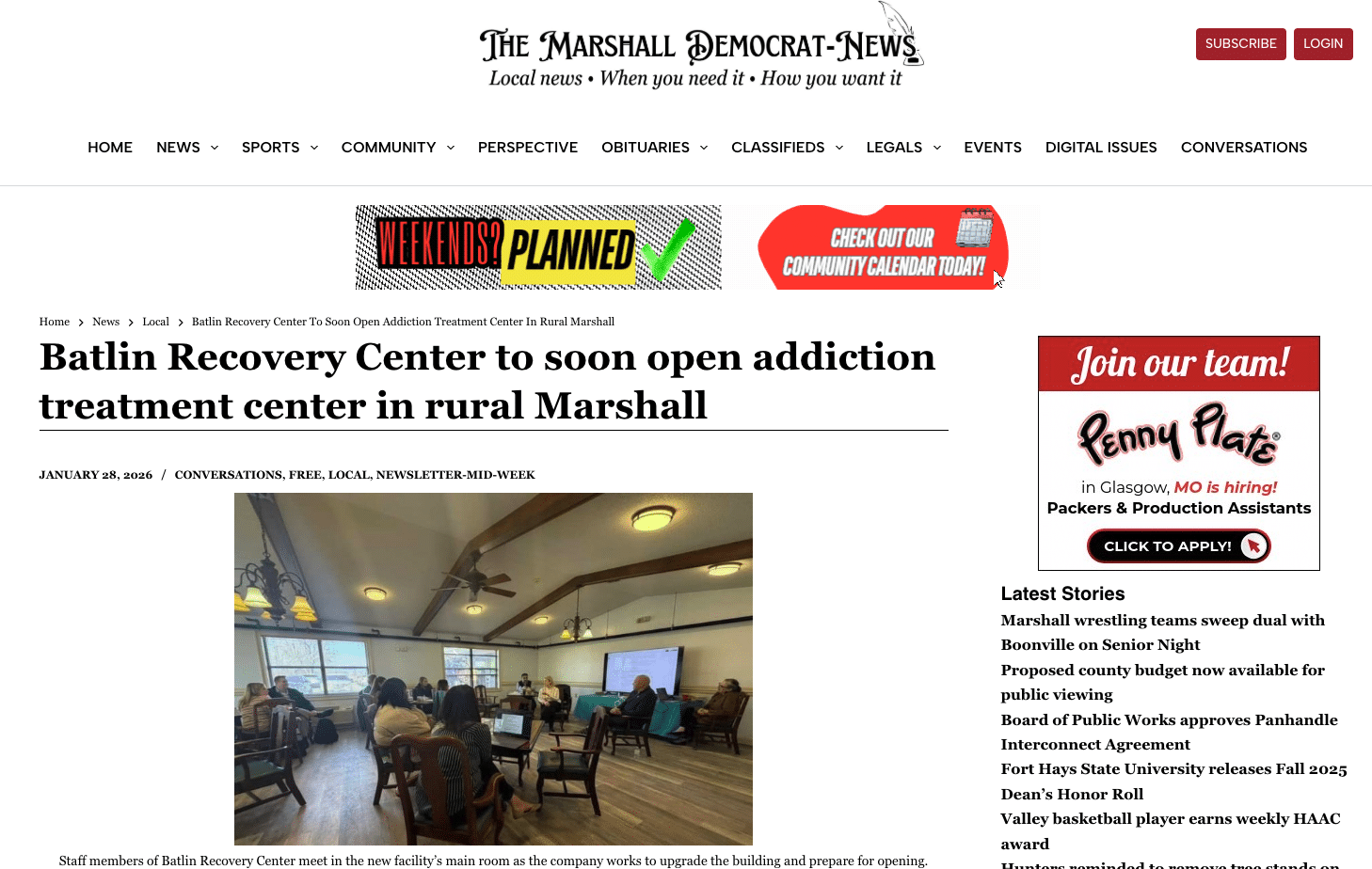
A woman speaks on the phone, illustrating the confidential admissions process for inpatient addiction treatment in Marshall, MO.

Inpatient Treatment FAQs

How do I know if inpatient treatment is right for me?

Inpatient care is often a fit when substance use is hard to stop at home, when withdrawal risk is present, or when daily life feels too unstable for early recovery. A quick call can help you understand the safest level of care.
Not everyone does, but some people do for safety and comfort. If detox is needed, we can help you start with medical detox and then transition into inpatient care.
Days include therapy, groups, recovery work, and time to reset through healthier routines. The goal is a steady rhythm that supports sleep, coping skills, and real progress.
Yes. If anxiety, depression, trauma symptoms, or mood concerns are part of the picture, we take that seriously. When needed, care can be coordinated through dual diagnosis treatment.
Bring comfortable clothing, basic personal items, and any current prescriptions in original containers. Admissions can also provide a clear checklist so you feel prepared.
Many people step down into PHP or IOP and continue building support through aftercare planning. The goal is long-term stability, not a quick finish line.

Take the Next Step With Support

If you’re ready for a steadier environment and real guidance, you can start with one conversation. Call and we’ll help you understand options, timing, and what a safe path forward can look like.