

Medication-Assisted Treatment (MAT) in Marshall, MO
MAT helps control cravings and supports comfort and anxiety relief. It’s one more tool we use at Batlin Recovery Center to make recovery more manageable.
Understanding Medication-Assisted Treatment
Medication Assisted Treatment or MAT, uses FDA approved medications along with addiction counseling and mental health therapy. Medicines like Suboxone do not do the work of recovery for you, but they can loosen the grip of opioid or alcohol addiction, ease withdrawal, and lower the stress and anxiety that make treatment feel overwhelming.
Many people find that MAT gives them greater stability in early recovery, and more room to build up recovery time. MAT is also clinically proven to help people recover from opioid addiction, and reduces overdoses. That makes MAT it a useful option for many families.
Key facts about MAT:
- Helps most with opioid and alcohol use disorders.
- MAT can be part of treatment. It’s not a substitute for rehab, PHP or IOP.
- Reduces cravings and withdrawal so treatment feels more manageable.
- Works best when paired with counseling and steady support.
- Uses FDA approved medications that trained providers monitor closely.
What Medicines Are Used in MAT?
Medication assisted treatment is most often used for opioid and alcohol use disorders. These medications help reduce cravings, ease withdrawal, and support long‑term recovery when paired with counseling and steady support.
Some common MAT medications include:
- Suboxone
- Methadone (not offered at Batlin)
- Vivitrol
- Campral
- Antabuse
- Sublocade
MAT at Batlin Recovery Center
At Batlin Recovery Center in Marshall, MAT works as part of a larger recovery plan. We listen to your story and help you choose treatment that fits your goals and values.
Licensed professionals prescribe and monitor the medications, adjusting them as needed. We tailor MAT to your needs the same way we tailor the rest of your care.
MAT is only one of many tools in substance use disorder treatment. It is not a cure or solution by itself. Real change comes from the inside out.
Recovery means learning about addiction, building new habits and shedding old ones. Most of all, recovery is a journey of personal growth that continues for a lifetime.
When MAT May Be Worth Considering
Every person’s path into addiction is different, and so is the path out. Medication-Assisted Treatment may be especially helpful if one or more of the situations below sounds familiar:
- You have an opioid or alcohol use disorder and find that cravings or withdrawal symptoms quickly pull you back to use.
- You have gone through detox or treatment in the past but struggled to stay stable after returning home.
- You worry about overdose risk, especially after a period of reduced use or abstinence.
- You want to participate in counseling and groups but feel too anxious, depressed, or physically uncomfortable to stay engaged.
- You are ready to stop hiding and want a medical team that understands addiction rather than judging it.
MAT is not required. Nor is it the right choice for everyone. It is one of many tools we use to help people build a firm foundation in recovery. MAT can be especially helpful for people who have an opioid use disorder and have had multiple returns to use (relapses) and/or overdoses.
Is Medication Assisted Treatment right for you or someone you love? At Batlin Recovery Center, we help you decide by looking at your history, health, and goals.
Here, patients and their families are empowered to take ownership of their recovery process. We are simply here to provide the best addiction care available in Missouri and to support you any way we can.
What Our MAT Services Include
Medication-Assisted Treatment at Batlin Recovery Center is delivered within a structured, compassionate program. The specific medications and visit schedule are tailored to you, but most people receiving MAT here can expect the following kinds of support:

Individualized medication planning
A thorough medical and substance use history, discussion of risks and benefits, and a medication plan that fits your health needs and daily life.

Ongoing medical monitoring
Regular check ins with prescribing providers, vital sign checks as needed, and adjustments over time so medication remains safe and effective.

Counseling and skills based groups
Therapy and education focused on triggers, coping skills, relationships, and relapse prevention, because medication works best when paired with active recovery work.

Support for long-term Recovery
Guidance around work, family, housing, and legal or probation requirements, along with planning for how long medication might be part of your recovery.
How MAT Fits Into a Larger Recovery Plan
MAT helps the most when it’s part of a full recovery plan, not the whole plan by itself. We use it to calm cravings, strengthen counseling, and keep your care connected from one level of treatment to the next. The areas below explain how MAT works here at Batlin Recovery Center and how it can help you stay on track.
Curbing cravings and withdrawal
Medications used in MAT help calm the intense physical and psychological pull of opioids or alcohol. This stabilization can reduce emergency room visits and create a steadier foundation for counseling and life changes.
Reducing short term risk of relapse
By lowering the chance of overdose and helping people remain engaged in treatment, MAT can decrease some of the most immediate dangers associated with addiction. Safety becomes the starting point rather than a constant worry.
Integration with addiction counseling
At Batlin Recovery Center, medication is paired with individual counseling, group therapy, and peer support. This combination addresses both the biological and emotional sides of addiction.
Bridging levels of care
MAT can be started during higher levels of care, such as residential or Partial Hospitalization, and then continued as you step down. This continuity reduces gaps in treatment and helps maintain progress.
Dose Adjustments and titration
Dosages and even medication types may change as your recovery evolves. Regular reviews with your medical team ensure that treatment continues to match your needs and goals.
Planning for Long-Term Recovery
Some people stick with MAT for years. Most taper off after 6-12 months. Decisions about medication are made very carefully with the support of the patient and their loved ones, family doctor, etc.
Programs
Verify Your Insurance
How Long Does It Take to Detox From Drugs?
The time it takes to detox from drugs varies widely. It depends on the drug, how much was used and other factors. …
Batlin Recovery Center Opening In The News
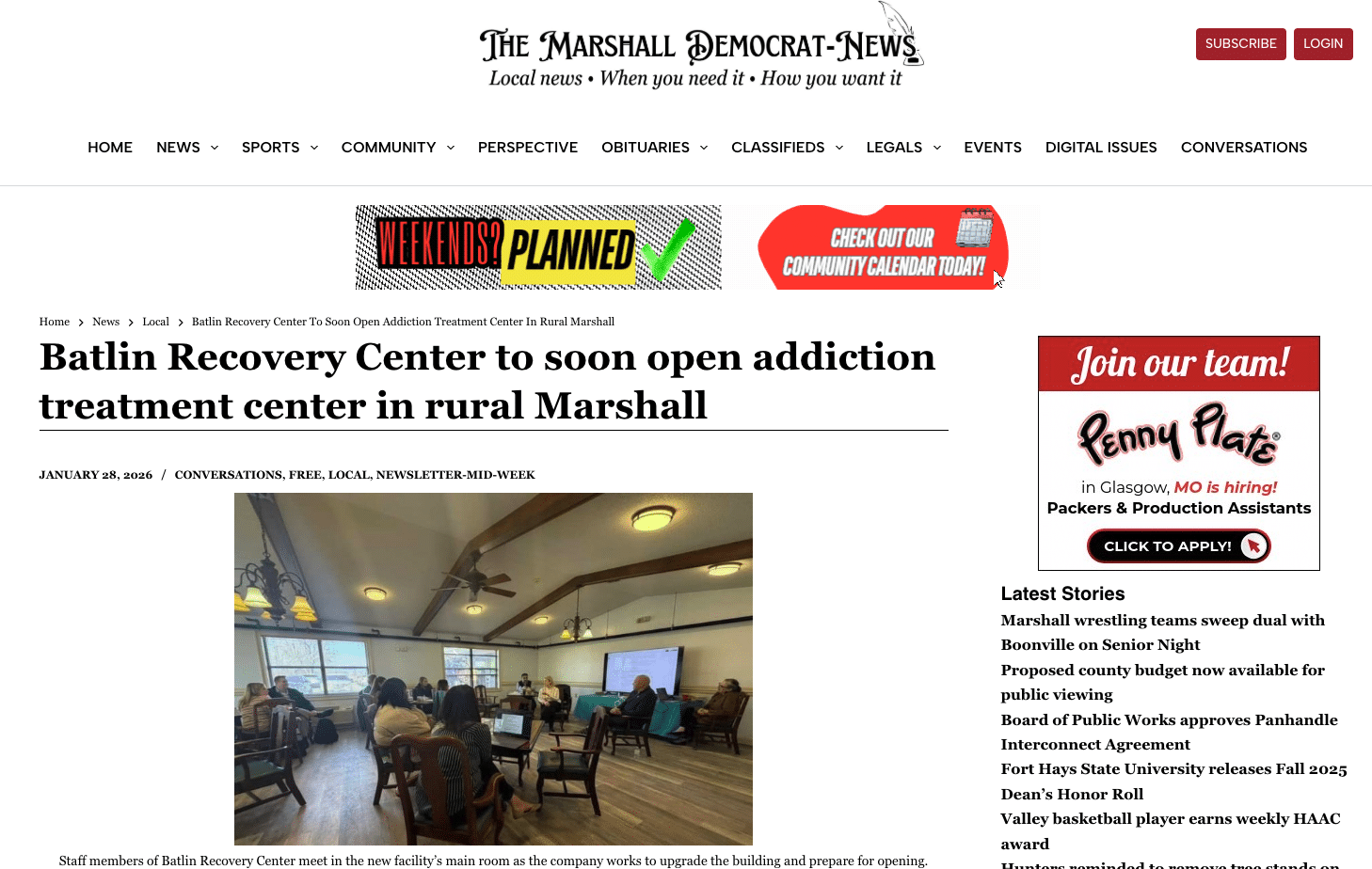
We’re in the News: Exciting Growth at Batlin Recovery Center We’re proud to share that Batlin Recovery Center was recently featured in …

Why Dual Diagnosis Care Reduces Relapse Risk
Relapse risk drops when substance use and mental health care happen together. See how dual diagnosis treatment works, who it helps, and how to start at Batlin Recovery Center.

Myths vs Facts About MAT, Clearing the Confusion
Medication Assisted Treatment pairs medications with counseling to stabilize the body, reduce cravings, and lower overdose risk. Separate the myths from the facts and see how MAT fits into a safe, personalized plan.

Why Choose Batlin Recovery Center for MAT
People often arrive at MAT feeling worn down by judgment or by repeated attempts to quit on their own. At Batlin Recovery Center, medication is offered in a respectful, shame free environment where your voice matters.
Our team explains options in plain language, listens to your concerns, and works with you to build a plan that feels doable. If you would like to talk with someone who understands both themedical and emotional sides of medication support, you can connect with our
Speak With Admissions
How MAT Works at Batlin
MAT starts with a respectful conversation and an honest look at your alcohol or opioid use disorder story. We consider comfort, receptivity to treatment, relapse risk and past treatment experiences when building a treatment plan.
At Batlin Recovery Center. MAT is always combined with therapy and recovery planning, As you make progress in treatment, we help you decide whether or not to continue MAT and for how long.

Call and share what’s going on, even if you’re unsure where to start. We’ll listen, ask a few simple questions, and flag any immediate safety concerns. We can also talk through timing and what to expect next.

We’ll talk through opioid use, current symptoms, and any past treatment experiences. This helps us understand whether MAT is a fit and what level of care is safest. If you’re calling for a loved one, we’ll guide you.

If needed, we begin with detox or inpatient care, then add MAT support when appropriate. Therapy and recovery planning run alongside it so skills grow with stability.

As your recovery grows stronger, we help you transition into PHP or IOP with aftercare support. We help you decide when and how to adjust or gently phase out MAT.

MAT FAQs
What is medication-assisted treatment?
Is MAT the same as replacing one drug with another?
Do I have to be on MAT forever?
Will I still go to therapy?
Can MAT help with heroin addiction?
What if I also struggle with anxiety or depression?
Is Medication Assisted Treatment Right for you?
Batlin Recovery Center offers MAT using Suboxone, Vivitrol, Campral and other medicines, in Marshall, MO.
If you have questions or concerns about beginning MAT for yourself or someone you love, we have answers.