

The Crash and Rebound
When cocaine use is heavy or combined with other substances, the first priority is safety. Medical Detox offers 24 hour monitoring, vital sign checks, and comfort measures as your body adjusts. Our team keeps a close eye on sleep, nutrition, hydration, and mood while preparing you for ongoing treatment.

Cravings and Triggers
Cravings can hit fast and feel convincing, especially around stress, people, or places tied to use. You’ll learn tools to ride out urges, interrupt the pattern, and choose a different next move.

Mood and Mental Health
Anxiety, depression, trauma symptoms, and paranoia can show up or intensify with cocaine use. When mental health is part of the picture, we coordinate care through dual diagnosis treatment. Recovery is stronger when nothing is ignored.

Planning for Real Life
Recovery holds up better with a clear plan and ongoing support after treatment. We help you map next steps through levels of care and connect to resources that protect progress.

The time it takes to detox from drugs varies widely. It depends on the drug, how much was used and other factors. …
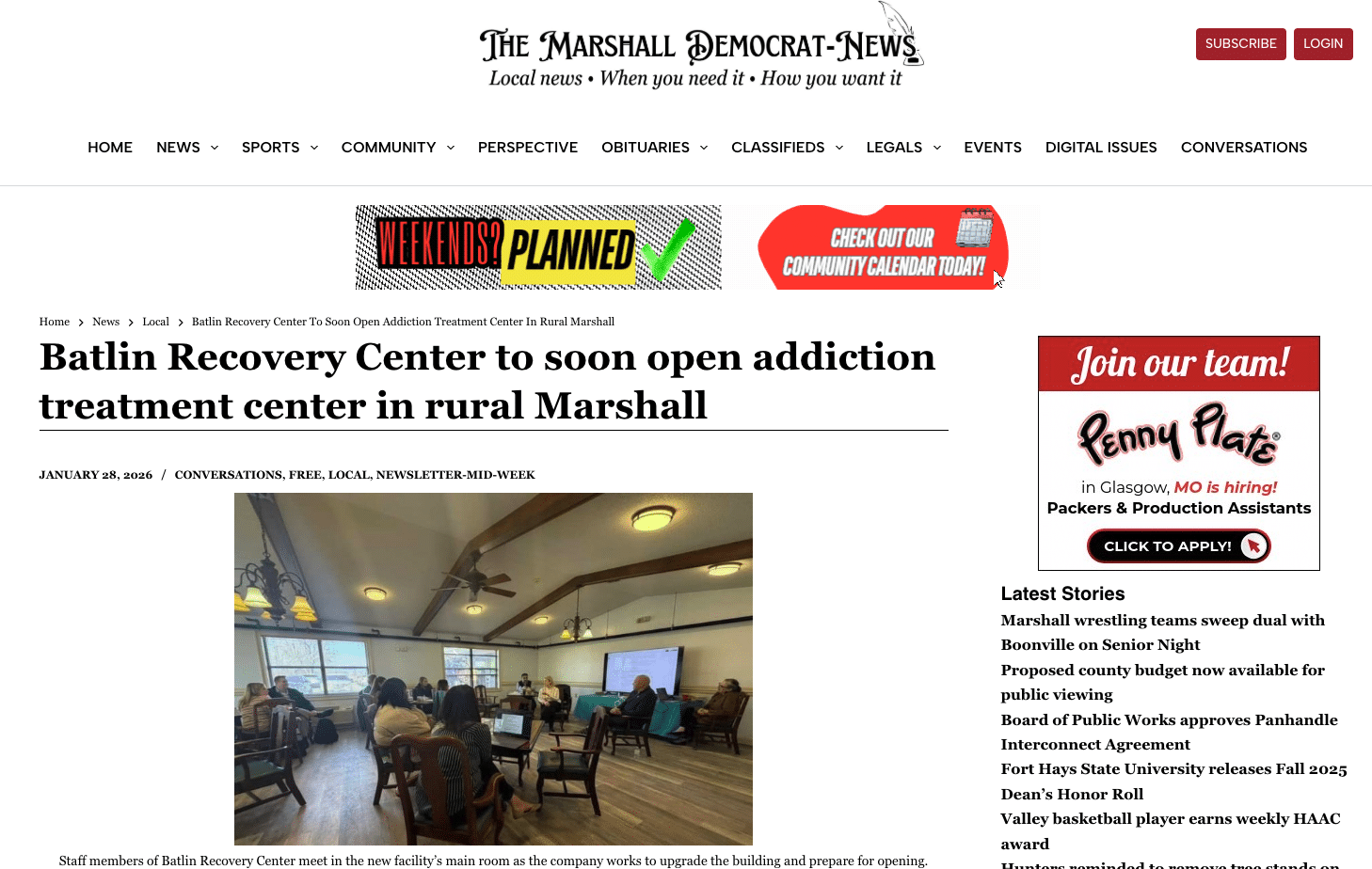
We’re in the News: Exciting Growth at Batlin Recovery Center We’re proud to share that Batlin Recovery Center was recently featured in …

Relapse risk drops when substance use and mental health care happen together. See how dual diagnosis treatment works, who it helps, and how to start at Batlin Recovery Center.

Medication Assisted Treatment pairs medications with counseling to stabilize the body, reduce cravings, and lower overdose risk. Separate the myths from the facts and see how MAT fits into a safe, personalized plan.

Call and share what’s going on, even if you’re not sure how to explain it. We’ll listen, ask a few simple questions, and flag any immediate safety concerns. We can also talk through timing and what to expect next.

We’ll talk through cocaine use patterns, crash symptoms, and any medical or mental health concerns. This helps us match the safest level of structure and support for you. If you’re calling for a loved one, we’ll guide you.

You begin with structured days that support sleep, mood, and routine. Therapy and groups focus on cravings, triggers, coping tools, and relapse prevention that’s realistic. Progress is built through repetition and accountability.