

Methamphetamine Addiction Treatment in Marshall, Missouri

Find steady ground again with real support.

Meth Recovery Starts With Stabilization

Methamphetamine is a powerful stimulant that can create long bursts of energy and focus, often followed by deep crashes. In the beginning it may seem like a solution. People use meth to work longer hours, lose weight, stay awake, or escape painful emotions. Over time, the drug begins to take more than it gives.

As tolerance increases, sleep and appetite decline. Paranoia, agitation, or mood swings can appear. Relationships become strained. Work or school performance drops. Even when someone can see the damage happening, stopping on their own can feel nearly impossible.

At Batlin Recovery Center, we view meth addiction as a complex health condition that affects the brain, body, and nervous system. Our goal is to provide safe stabilization, structured treatment, and ongoing support so that recovery is not just about stopping the drug, but about rebuilding a life that feels worth staying for.

Signs Meth Use May Be Taking Over

Meth addiction is not only about how often you use. It’s about the changes it creates in sleep, thinking, mood, and relationships, and how hard it becomes to stop once the pattern is set. If any of the signs below sound familiar, treatment can help you get stable again.
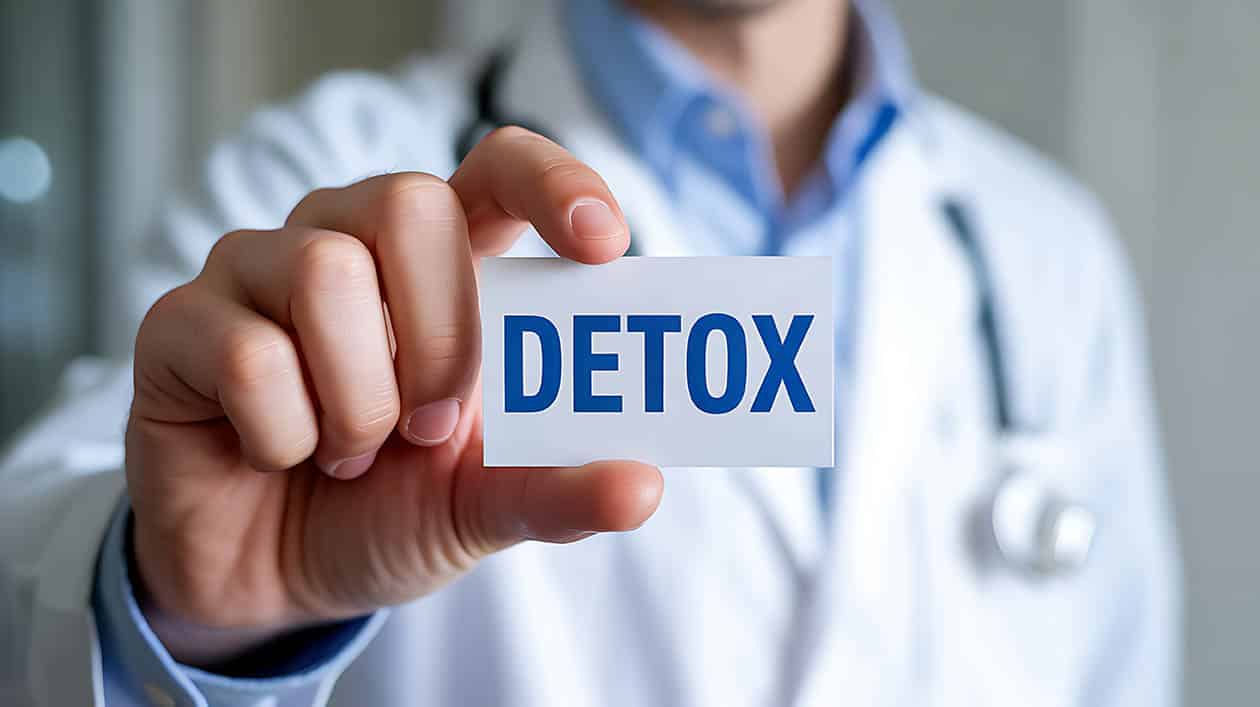
Some people benefit from starting with inpatient treatment for structure and stability, especially when sleep is disrupted or mental health symptoms feel intense. If withdrawal symptoms or safety concerns need closer monitoring, we can also discuss medical detox as a first step.

What Meth Treatment Can Support

Meth recovery often begins with helping your body and brain settle again. Treatment supports sleep, mood, and routine while you build skills for cravings, triggers, and stress. The goal is not only stopping, it’s staying steady when life gets real.

Sleep and Stabilization

Meth use can disrupt sleep and appetite, leaving your body depleted and your mood unpredictable. We focus on stabilization and routine so your system can recover. When needed, we discuss medical detox for safer monitoring.

Cravings and Triggers

Cravings can spike quickly and feel urgent, especially around stress, people, or places tied to use. You’ll learn tools to ride out urges, interrupt the pattern, and choose a different next step. Skills get practiced until they feel usable.

Mood and Mental Health

Anxiety, depression, trauma symptoms, and paranoia can show up or intensify with meth use. When mental health is part of the picture, we coordinate care through dual diagnosis treatment. Recovery is stronger when nothing is ignored.

Planning for Real Life

Recovery holds up better with a clear plan and ongoing support after treatment. We help you map next steps through levels of care and connect to resources that protect progress. You leave with structure, not guesswork.
What We Focus On in Meth Recovery

Meth can affect motivation, impulse control, sleep, and emotional regulation. Treatment works best when it supports stabilization, coping skills, and a plan for the situations that usually lead back to use.

Stabilization and routine

We help you rebuild sleep, nutrition, and daily structure, because recovery is harder when your body is depleted. A steadier routine supports clearer thinking and fewer impulsive swings.
You learn what triggers urges and how cravings build, so you can respond earlier. We focus on practical tools for stress, discomfort, and high-risk situations. Skills are practiced until they feel usable.
We help you identify warning signs and build a plan for the moments that usually lead to “just this once.” Progress is protected with structure, accountability, and realistic next steps.

Mental health support

Anxiety, depression, trauma symptoms, and mood instability often overlap with meth use. When that is part of the picture, we coordinate care through dual diagnosis treatment so both needs are supported.
Recovery is stronger when you’re not doing it alone. Group support, peer connection, and consistent check-ins help you stay grounded, especially when motivation dips.
As you stabilize, we help you transition into PHP or IOP and connect to ongoing resources that support long-term stability.

Treatments

Verify Your Insurance

Discover Batlin's simple insurance verification process. Our staff is available 24/7 and always ready to take your call.

You Can Feel Like Yourself Again

Meth can leave you feeling wired, exhausted, and stuck in survival mode. Treatment gives you space away from triggers and consistent support while your body and mind begin to settle.

As stability returns, the next steps become clearer. That is when therapy, structure, and community support start to stick, and recovery becomes a plan you can follow.

Speak With Admissions

Discover Batlin's simple admissions process. Our staff is available 24/7 and always ready to take your call.
24/7

How Meth Treatment Works at Batlin

Treatment starts with a steady conversation and a clear look at what you’re dealing with. We talk through meth use, crash symptoms, sleep patterns, and mental health concerns so we can match the right level of care. From there, you begin structured support with therapy, routine, and peer connection that rebuilds stability. As you strengthen, we help you step down with a plan that fits real life.
Reach Out

Call and share what’s going on, even if you’re not sure how to explain it. We’ll listen, ask a few simple questions, and flag any immediate safety concerns. We can also talk through timing and what to expect next.

Assessment and Fit

We’ll talk through meth use patterns, sleep disruption, and any medical or mental health concerns. This helps us match the safest level of structure and support for you. If you’re calling for a loved one, we’ll guide you.

Stabilize and Build Skills

You begin with structured days that support sleep, mood, and routine. Therapy and groups focus on cravings, triggers, coping tools, and relapse prevention that’s realistic. Progress is built through repetition and accountability.


Step Down and Keep Building

As you stabilize, we help you transition into PHP or IOP with aftercare planning and support in place. You leave with a plan that protects progress long-term.

A woman smiles while sitting in a support group circle, highlighting the compassionate care in Xanax addiction treatment in Missouri.

Meth Treatment FAQs

How do I know if meth treatment is needed?

If you keep trying to stop and it doesn’t last, or you’re stuck in using and crashing cycles that disrupt sleep, work, relationships, or mental health, treatment can help. You don’t have to wait for a bigger crisis.
Meth withdrawal is often more emotional and psychological than medical, but it can include depression, agitation, and strong cravings. Support and structure help you stay safe and steady through the crash.
It depends on relapse risk, home environment, and mental health symptoms. Many people start with inpatient treatment, then step down into PHP or IOP.
That’s common and it matters. When mental health overlaps with meth use, we coordinate care through dual diagnosis treatment so both needs are supported together.
Yes. If cocaine is involved, you can also review our cocaine treatment page. We’ll help you understand what support looks like and where to start.
If insurance is part of your decision, you can submit a quick form for insurance verification. We’ll follow up with clear answers and realistic next steps.

Start Meth Recovery With a Steady Plan

If meth has started to feel bigger than your choices, you don’t have to do this alone. Call and we’ll talk through what’s happening, what support fits, and what a steady next step could be.