

Hydrocodone dependence isn’t a sign of weakness. It’s a physical response to how opioids affect your brain and body. When you’ve been taking hydrocodone regularly, stopping suddenly can trigger intense withdrawal symptoms that are difficult to manage alone. Medical detox gives you a safe, structured way to begin recovery.
At Batlin Recovery Center, our drug and alcohol rehab programs provide medically supervised detox and ongoing treatment to help you break free from hydrocodone and recover. You don’t have to face withdrawal alone; our team is here to support you every step of the way.
How Hydrocodone Dependence and Addiction Develop Over Time
Hydrocodone is a prescription opioid that increases dopamine, a chemical in the brain responsible for pleasure and reward. When taken regularly, your brain adapts to the drug’s presence, leading to tolerance and dependence.
As your tolerance increases, your brain and body begin to adapt to the constant presence of hydrocodone. What once helped manage pain now triggers changes in your reward system, making it harder to feel normal without the drug.
This is how physical opioid dependence and addiction takes root, slowly, subtly, and often without you realizing it’s happening.
As tolerance increases, dependence follows:
- Your brain adapts to hydrocodone and needs it to function.
- Withdrawal symptoms appear when the drug wears off.
- What began as pain relief slowly shifts into compulsive use.
- A prescribed medication becomes something you feel unable to go without.
- The brain craves the dopamine surge hydrocodone once provided, driving ongoing use even when the risks grow.
Common Hydrocodone Brand and Generic Names
Hydrocodone is prescribed under several brand names, often combined with other medications like acetaminophen or ibuprofen. Including these names helps people recognize the medication they’ve been taking and understand the risks associated with each formulation.
Common hydrocodone brand and generic names include:
- Vicodin (hydrocodone + acetaminophen)
- Norco (hydrocodone + acetaminophen)
- Lortab (hydrocodone + acetaminophen)
- Zohydro ER (extended‑release hydrocodone)
- Hysingla ER (extended‑release hydrocodone with abuse‑deterrent properties)
- Xodol (hydrocodone + acetaminophen)
- Verdrocet (hydrocodone + acetaminophen)
- Reprexain (hydrocodone + ibuprofen)
- Hycofenix (hydrocodone + acetaminophen + antihistamine)
Short‑Term and Long‑Term Effects of Hydrocodone Abuse
Hydrocodone misuse affects both your physical and mental health. Short‑term effects may include drowsiness, confusion, impaired judgment, and an artificial sense of well‑being.
Long‑term abuse can lead to depression, anxiety, liver damage, bowel obstruction, irregular heart rhythm, and dangerously slowed breathing. In severe cases, prolonged misuse can cause psychosis, coma, or death. Early treatment helps prevent these complications and supports long‑term recovery.
Short-term effects of hydrocodone misuse include:
- An artificial sense of well-being
- Constricted pupils
- Increased drowsiness
- Confusion
- You might feel reduced stress and worry
- Risky behavior because your judgment becomes impaired
Long-term misuse creates serious health problems as well, including:
- Depression
- Anxiety
- Mood swings
- Loss of appetite
- You sleep more than usual.
- Your liver can become damaged or fail entirely
- Prolonged constipation can lead to bowel obstruction
- Your heart rhythm becomes irregular
- Your breathing slows dangerously
In severe cases, long-term hydrocodone misuse leads to psychosis, hallucinations, coma, and death. This is why it is so important to seek help from professionals sooner rather than later. Batlin Recovery Center provides detox and treatment options that can help you stop using hydrocodone and retrain your body to work without it.
What to Expect During Hydrocodone Detox
Because of the risk that hydrocodone withdrawal symptoms create, our recovery process for hydrocodone addiction often starts with detox.
Detoxification (detox) is the process of removing hydrocodone from your body while managing withdrawal symptoms. Detox typically takes several days to a week, though the timeline varies depending on how long you’ve been using and how much you’ve been taking.
During hydrocodone detox at Batlin Recovery Center, you’ll stay in our safe, comfortable facility where trained medical staff monitor you around the clock. We use medications to ease withdrawal symptoms and prevent complications. You’re not alone in a room suffering. You’re in a supportive environment where people understand what you’re going through.
Common Hydrocodone Withdrawal Symptoms
Hydrocodone withdrawal is intensely uncomfortable without a medical detox, but not typically life-threatening.
You’d likely experience:
- Anxiety
- Muscle aches
- Sweating
- Insomnia
- Intense cravings for hydrocodone
Medical Support and Withdrawal Management
We provide medications that reduce cravings and ease withdrawal discomfort. Our medical team monitors your vital signs continuously and adjusts your care plan based on how your body responds. We also address any co-occurring conditions like depression or anxiety that may have developed alongside hydrocodone addiction.
Why Professional Hydrocodone Treatment Improves Recovery Outcomes
Trying to detox alone often fails because withdrawal is so uncomfortable that people return to using just to make it stop. Professional treatment removes that barrier.
Beyond hydrocodone detox, we provide therapy to help you understand why hydrocodone misuse became a challenge for you in the first place. We teach you coping skills for managing pain, stress, and difficult emotions without drugs. We help you rebuild relationships damaged by opioid addiction and create a life worth staying sober for.
Medication‑Assisted Treatment (MAT) for Hydrocodone Addiction
Batlin Recovery Center also offers Medication‑Assisted Treatment (MAT) for hydrocodone addiction. This approach combines medications, like buprenorphine (Suboxone), that continues beyond the opioid detox period to help control cravings with therapy and counseling.
Safety Protocols During Medical Detox
Our facility features modern medical equipment and trained staff who know how to handle complications. We maintain a safe, drug-free environment where you can focus entirely on recovery without temptation or distraction.
Building a Strong Support System After Detox and Rehab
Recovery doesn’t end when detox or rehab ends. We help you develop a support system that will sustain you long-term. This includes therapy, peer support groups, family involvement, and aftercare planning. We prepare you for life after treatment with practical tools and ongoing support.
Programs
Treatments
Verify Your Insurance

What is Medical Detox?.
Medical detox is the phase of treatment in an addiction treatment center where patients are gently guided through the process of eliminating …

Does Insurance Cover Drug Rehab?
If you’re considering treatment for substance abuse, one of your first questions is probably about cost. The good news is that most …
How Long Does It Take to Detox From Drugs?
The time it takes to detox from drugs varies widely. It depends on the drug, how much was used and other factors. …
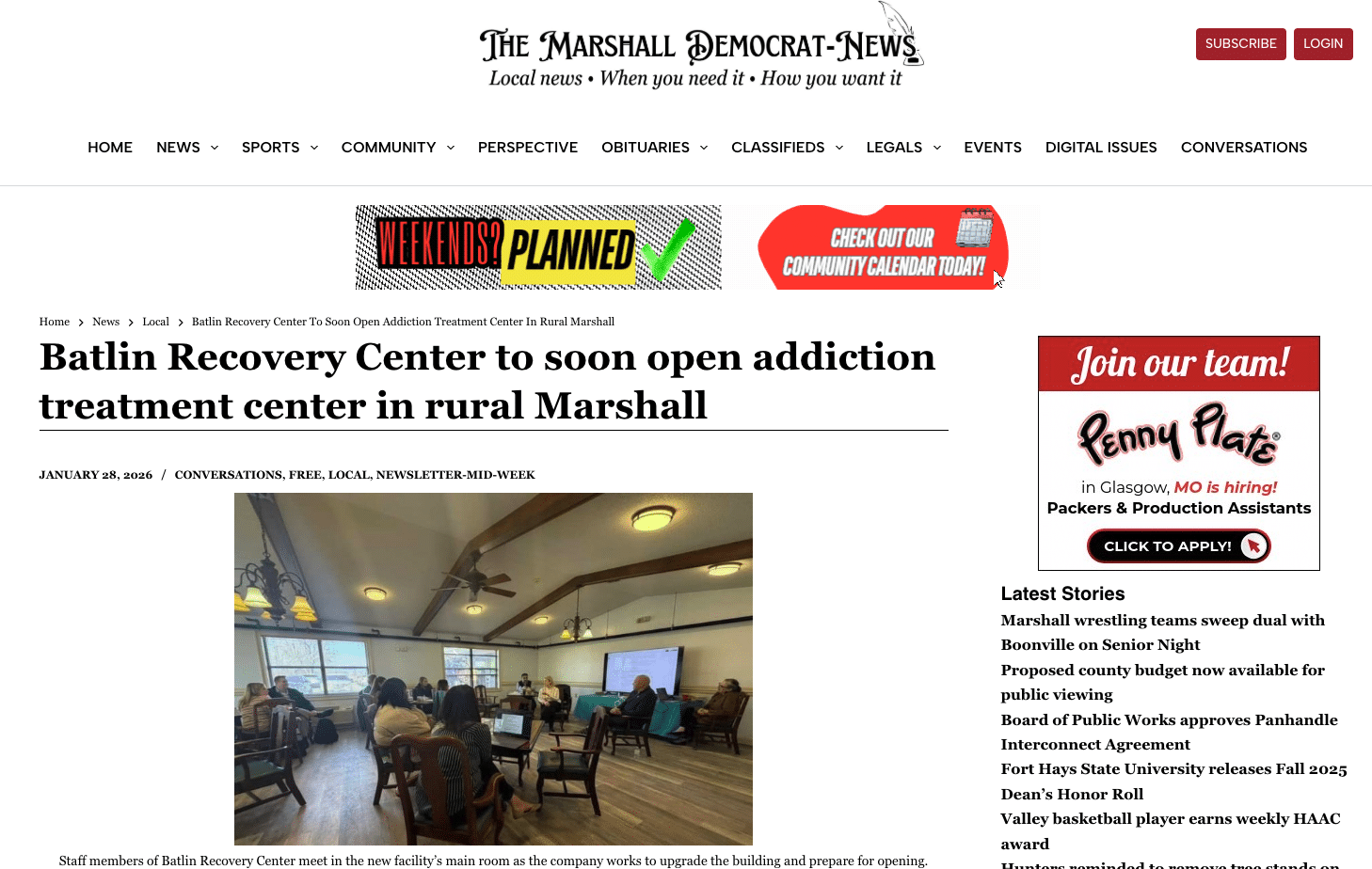
Batlin Recovery Center Opening In The News
We’re in the News: Exciting Growth at Batlin Recovery Center We’re proud to share that Batlin Recovery Center was recently featured in …
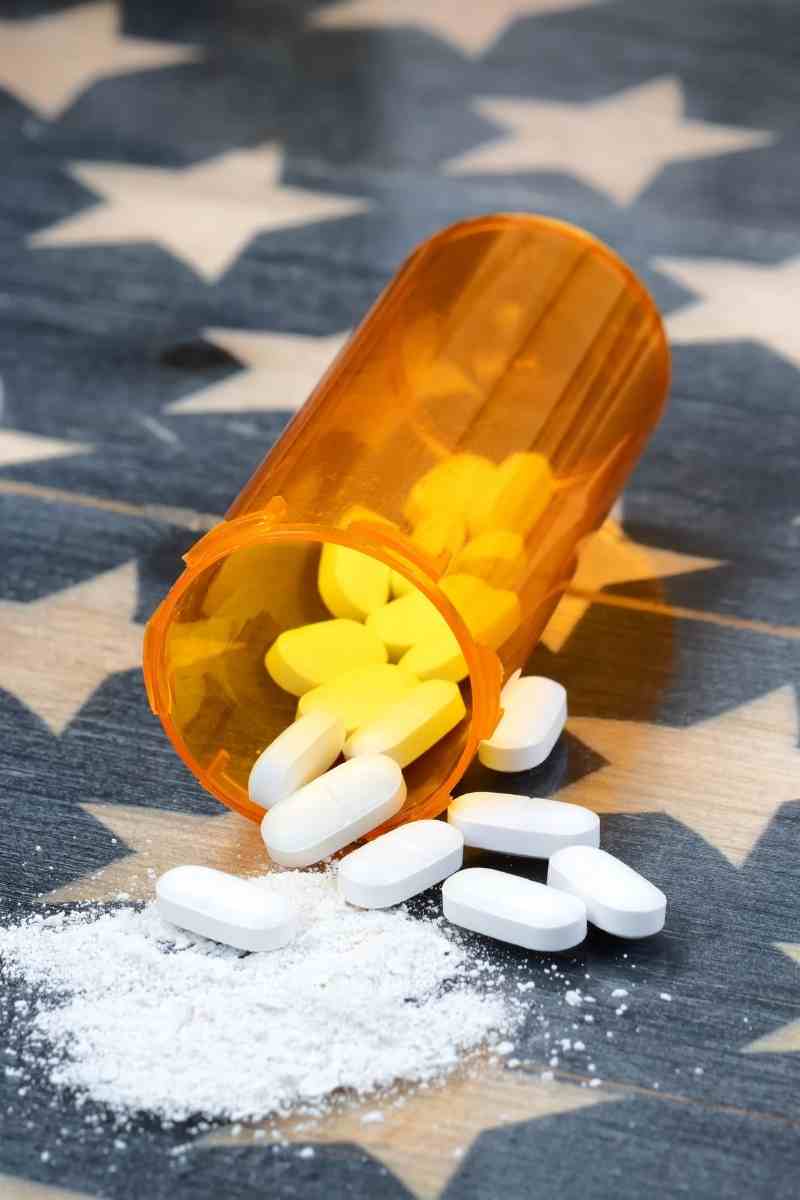
Learn More About Hydrocodone Detox and Rehab
Call Batlin Recovery Center now at (660) 217-1665 to start your recovery from hydrocodone addiction. Our team will answer your questions, verify your insurance, and help you understand what to expect. One call is all it takes to turn toward a better, brighter future for you or your loved one.
SOURCES:
- Hydrocodone – MedlinePlus
- Preventing Opioid Use Disorder – CDC Overdose Prevention
- Preventing Opioid Use, Misuse, and Overdose – U.S. Department of Health and Human Services