
Fentanyl is a synthetic opioid, meaning it’s man-made in a lab, not derived from a plant. It was originally developed for medical use, primarily to manage severe pain in cancer patients or during surgery. In those controlled settings, it can be effective. But fentanyl is also 50 to 100 times more potent than morphine, which makes it extraordinarily dangerous outside of a hospital.
Unfortunately, it is available on the streets and puts many users at risk. At Batlin Recovery Center, we try to help people detox and recover from Fentanyl use.
Why is Fentanyl So Dangerous?
The fentanyl that ends up on the street is almost never pharmaceutical-grade. It’s manufactured illegally, often pressed into counterfeit pills that look exactly like Xanax, Percocet, or Adderall. You can’t see it, smell it, or taste it. A dose the size of a few grains of salt can kill a person. That’s not an exaggeration.
Signs That You or a Loved One May Have a Fentanyl Problem
Fentanyl addiction doesn’t always look the way people expect. Sometimes it starts with a prescription. Sometimes it starts with a single pill at a party. Either way, the signs tend to follow a pattern. Once dependence and addiction take hold, it can become very dangerous and most people need substance use disorder treatment to stop.
If you suspect that a loved one is abusing Fentanyl, look for these signs:
- Extreme drowsiness
- Confusion
- Nodding off mid-conversation
- Pinpoint pupils
- withdrawing from friends and family
- Losing interest in things they used to care about
- Becoming secretive about where they're going and their finances
- Nausea
- Sweating
- Muscle aches
If any of this sounds familiar, trust what you’re seeing. Talk to them about getting help. It is never too late to start.
The Truth About Fentanyl Addiction
Addiction is not a moral failure. It’s not a choice someone makes because they don’t care about their family or their future. Fentanyl changes the brain in real, measurable ways. It rewires the reward system so that the drug becomes the brain’s top priority, above food, relationships, safety, everything.
People who are addicted to fentanyl aren’t weak. They’re sick. And like any illness, addiction responds to dual-diagnosis treatment, which can also help prevent relapse.
Why Fentanyl Is So Hard to Quit Alone
Withdrawal from fentanyl is brutal. Within hours of the last dose, the body starts to react with:
- Intense cravings
- Muscle cramps
- Vomiting
- Insomnia
- Anxiety
Most people who try to quit on their own relapse not because they lack willpower, but because the withdrawal is genuinely overwhelming.
There’s also the psychological pull. Fentanyl becomes tied to how a person copes with stress, trauma, and pain. Removing the drug without addressing those underlying issues leaves a gap that’s almost impossible to fill alone.
Fentanyl Overdose: What to Watch For and What to Do
An overdose can happen to anyone, even people who have been using for years and think they know their tolerance. Signs include slow or stopped breathing, blue or grayish lips and fingertips, unresponsiveness, gurgling sounds, and a limp body.
If you see these signs, call 911 immediately. If naloxone (Narcan) is available, use it. It can reverse an opioid overdose and buy time until emergency services arrive. Many pharmacies carry it without a prescription. Keep it close if you or someone you love is using opioids.
How Medical Detox Works to Free Your Body from Substances
Medical detox is the first step in treatment for most people with fentanyl addiction. In a supervised setting, medical staff monitor your withdrawal symptoms and provide medications, like buprenorphine or methadone, that ease the process significantly. You’re not just white-knuckling it through pain. You’re being supported, medically and emotionally, while your body clears the drug.
What to Expect When You Seek Help
Reaching out is the hardest part for most people. When you contact us, you won’t be judged. You’ll talk to someone who listens, asks questions, and helps you figure out what you need. We’ll walk through your options together. There’s no pressure, no script, no one-size-fits-all answer.
You don’t have to have everything figured out before you call. You just have to make the call.
Life After Fentanyl: Recovery Is Possible
People recover from fentanyl addiction every day. They rebuild relationships, return to work, rediscover things they love, and go on to live full, meaningful lives. Recovery isn’t linear, there are hard days, setbacks, and moments of doubt. But it is possible, and it happens more often than most people realize.
The goal isn’t just to stop using. It’s to build a life where you don’t need to.
Programs
Treatments
Verify Your Insurance

What is Medical Detox?.
Medical detox is the phase of treatment in an addiction treatment center where patients are gently guided through the process of eliminating …

Does Insurance Cover Drug Rehab?
If you’re considering treatment for substance abuse, one of your first questions is probably about cost. The good news is that most …
How Long Does It Take to Detox From Drugs?
The time it takes to detox from drugs varies widely. It depends on the drug, how much was used and other factors. …
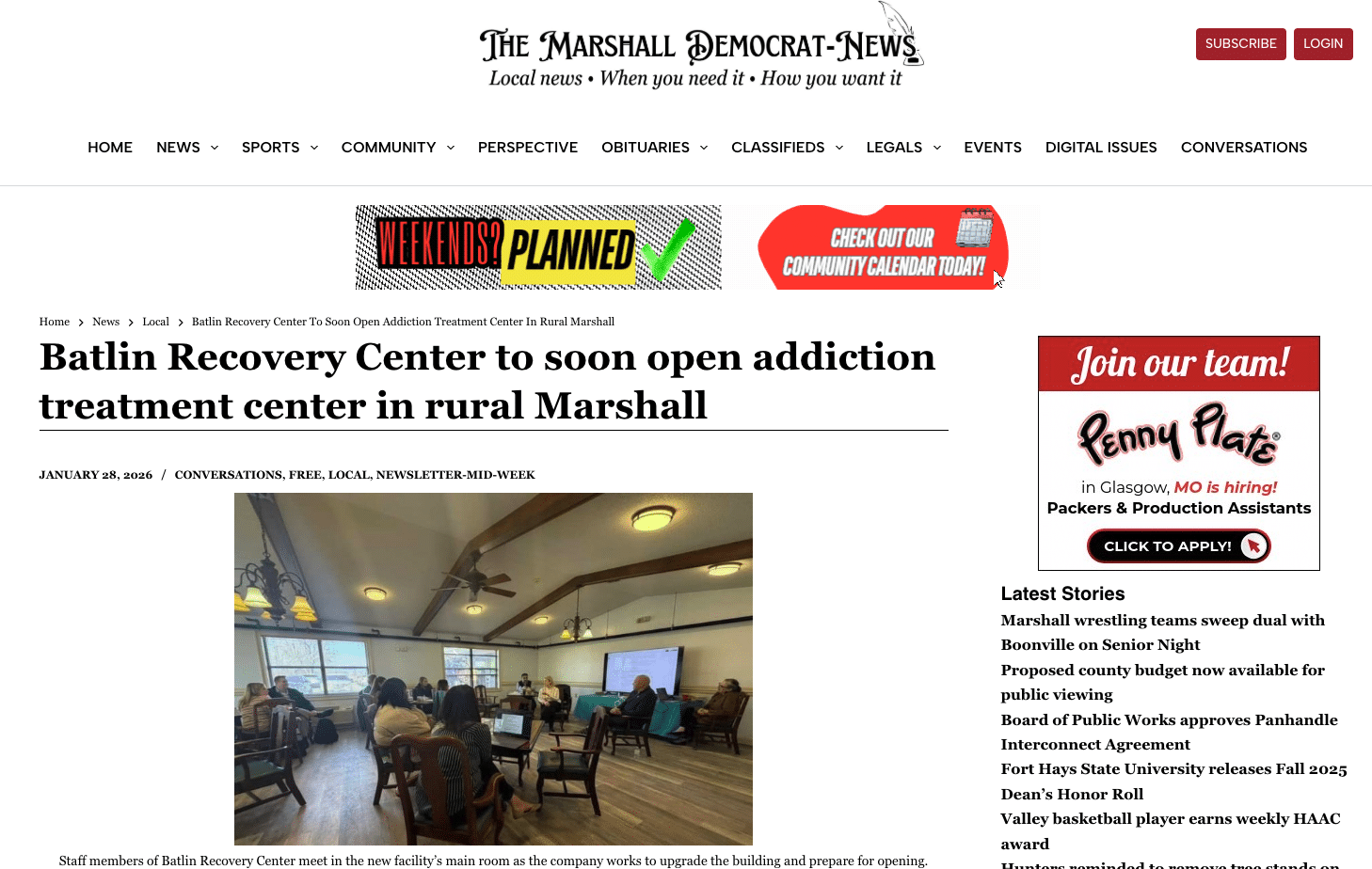
Batlin Recovery Center Opening In The News
We’re in the News: Exciting Growth at Batlin Recovery Center We’re proud to share that Batlin Recovery Center was recently featured in …
Take the First Step Toward Recovery Today
You don’t have to keep living this way. Whether you’re in crisis right now or just starting to wonder if things have gotten out of hand, we’re here. Batlin Recovery Center offers compassionate, evidence-based care for people struggling with fentanyl and other substances. Reach out today: